EARTHQUAKE RESISTANCE
Timber frame structures are common traditional methods of housing construction, which use squared-off timber beams, columns, and walls as lateral load-bearing members. The seismic performance of timber frame houses can be secured by the load-bearing capacity of erected braces and walls;
Damaging forces in an earthquake are proportional to a structure’s weight. Wood is substantially lighter than other building materials, giving it an advantage when paired with a good seismic design. The fact that wood buildings tend to have numerous metal connections means they have more pathways to dissipate the load (something known as load paths), so there is less chance the structure will collapse should some connections fail. This is what is referred to as ductility—a building’s ability to undergo large deformations without failing.
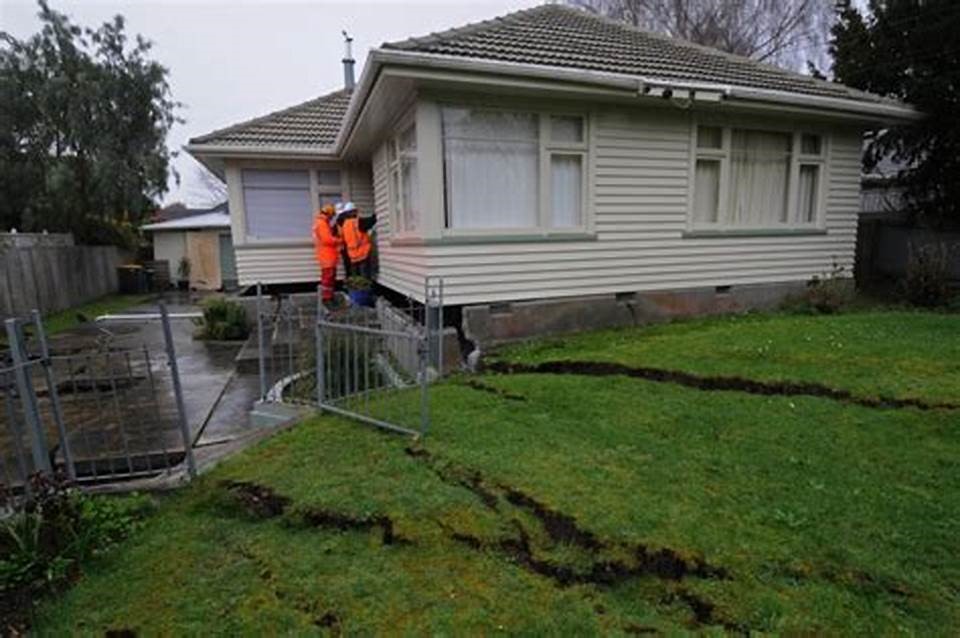 Earthquake proof house
Wood is considered one of the most important and reliable construction materials since it is renewable and has high resistance to earthquakes due to its properties. It has been used as a building material for thousands of years ago and is still in the stage of research and development. One of the important research areas is enhancing earthquake resistance of the wooden frame house in the earthquakes prone regions.
Our prefabricated wooden houses are all designed as frame structures and analyzed as 3-dimensional space frame structures, adding to the ductility and flexibility.